Embracing Vintage Rustic: Essential Elements for a Cozy Living Room
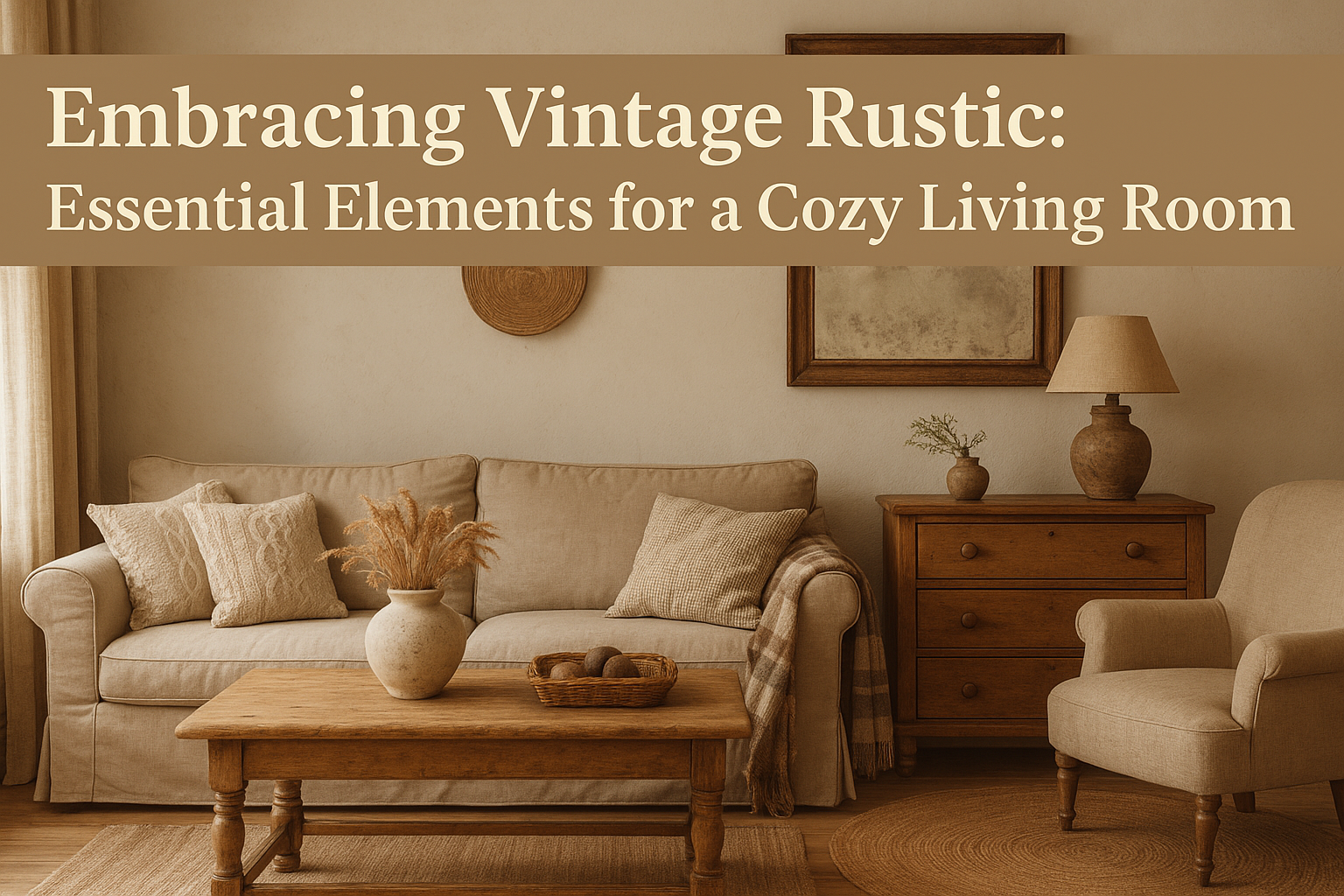
A cozy living room rooted in vintage rustic blends the patina of age with the warmth of a gathered, lived-in space. It’s less about a perfect match and more about pieces that tell a story, textures you can sink into, and light that wraps you in a soft glow. Here are the essential elements to embrace this timeless look and feel in your own home.
Foundational palette and materials
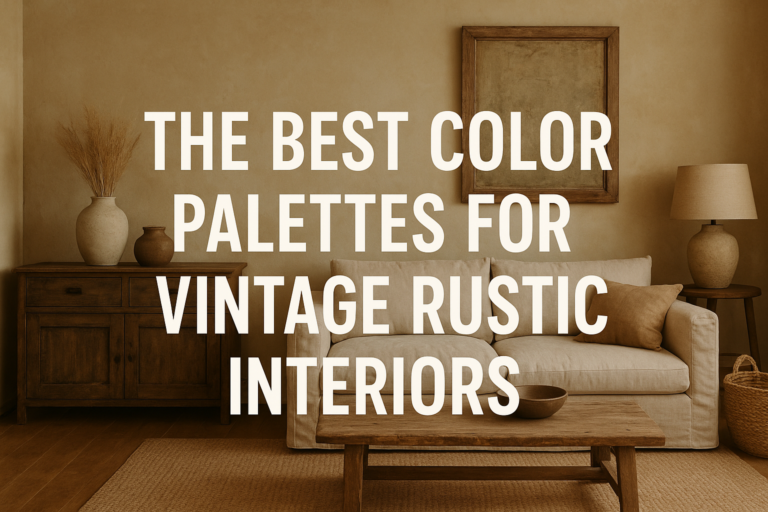
– Start with a warm, earthy base. Think creams, soft beiges, warm taupes, and stone-gray accents. Introduce depth with terracotta, olive, or muted sage as accent tones.
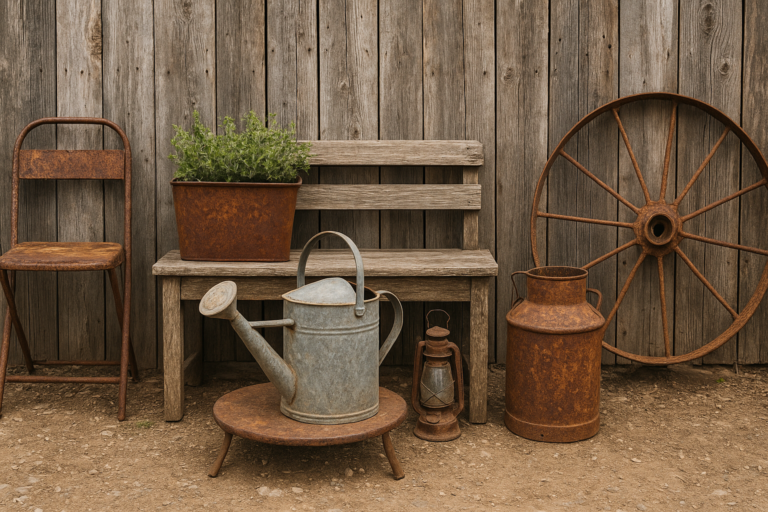
– Prioritize natural materials that wear well over time: reclaimed wood, weathered or unfinished wood, stone, brick, and metal (copper, brass, or wrought iron) for hardware, lighting, and decorative touches.
– Allow patina to be part of the design. Scuffs, nicks, and softer edges on furniture pieces add character and tell a story.
Furniture with character
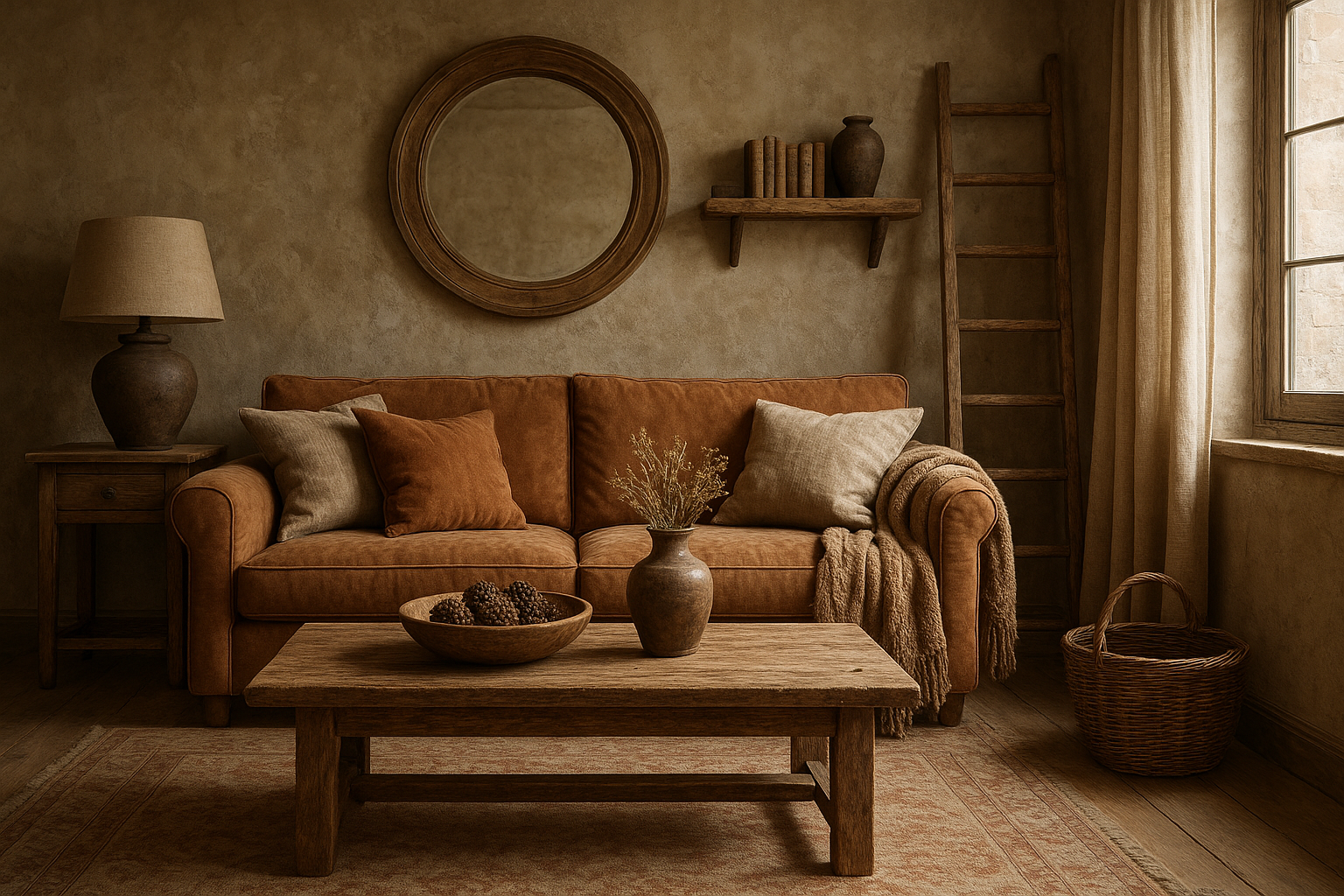
– Choose a mix of vintage and vintage-inspired pieces that prioritize comfort. A well-loved sofa in linen or muted fabric, a leather armchair with a gentle patina, and a substantial wooden coffee table or live-edge slab table create a solid, inviting core.
– Incorporate a few statement pieces that feel collected rather than coordinated—an antique sideboard, a distressed coffee table, a traditional rocking chair, or a trunk repurposed as a coffee table.
– Balance scale and comfort. Ensure seating invites lingering conversations and can accommodate guests without feeling crowded. Layer soft cushions and throws for an immediately welcoming vibe.
Textiles and layering
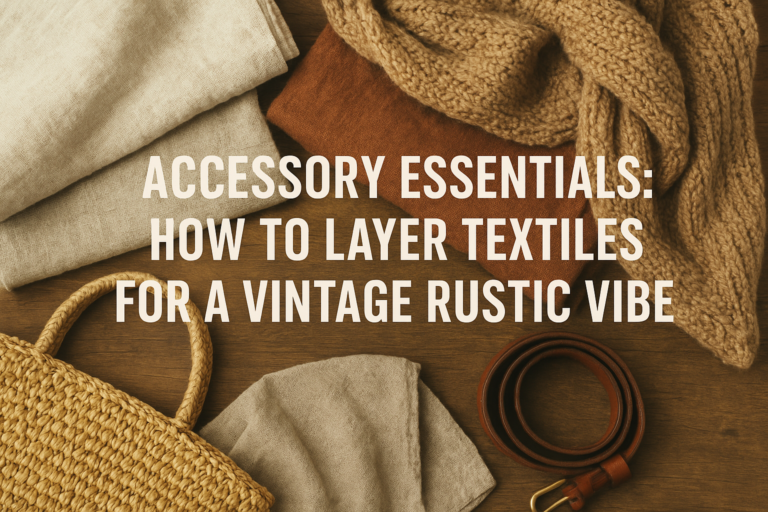
– Layer textures to invite touch and warmth. Think wool throws, quilted covers, linen drapes, cotton or wool-blend upholstery, and a mix of rugs.
– Ground the space with a large, tactile rug—consider a thick wool kilim, a vintage Persian or Turkish rug, or a muted jute rug layered with a smaller weave for depth.
– Use textiles to tell seasonal stories: a chunky knit throw for winter, linen drapes for summer light, and a quilt or plaid blanket for autumn coziness.
Lighting for warmth
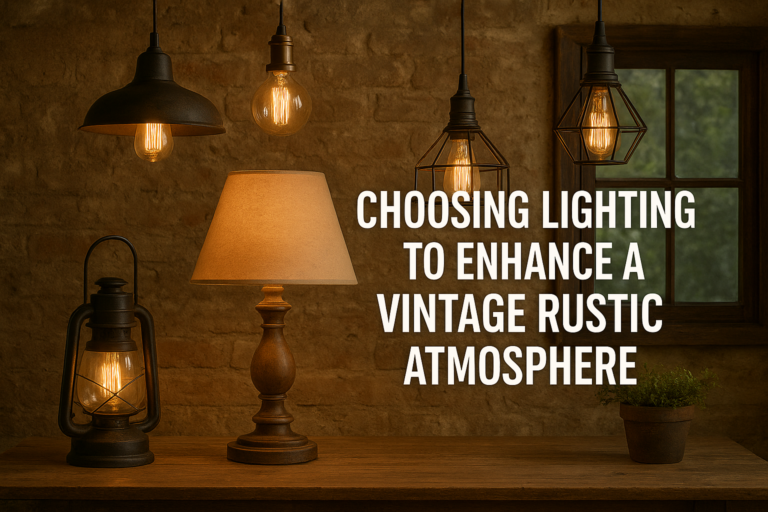
– Favor soft, amber-toned lighting over harsh white. Warm bulbs (2700-3000K) create a cozy glow that flatters vintage finishes.
– Layer light sources: a mix of floor lamps, table lamps, and wall sconces. Choose lamps with aged brass, bronze, iron, or ceramic bases to echo the rustic vibe.
– Don’t underestimate candles and natural firelight. A fireplace, a mantel vignette, or a cluster of pillar candles can anchor the room and add instant warmth.
Decor that tells a story
– Include antiques and heirlooms sparingly to avoid a museum-like feel. A well-placed clock, a vintage mirror, an old book collection, or a brass candlestick can serve as focal points.
– Display curated collections: glass jars, pottery and ceramics, or a stack of well-loved books tied with a leather strap. Travel finds and locally sourced artifacts add personality.
– Use baskets and woven textures for practical storage that remains decorative. They soften the edges of shelves and corners while keeping clutter out of sight.
Architectural touches and natural details
– If you have exposed wood beams, brick, or stone, highlight them. These elements are the backbone of vintage rustic style.
– Embrace imperfect finishes. A weathered mantel, chipped paint, or a reclaimed-wood coffee table with visible nail holes all contribute to the aesthetic.
– Favor natural light and greenery. A few potted plants or dried stems in a vintage vase can bring life to the space without undermining its rustic integrity.
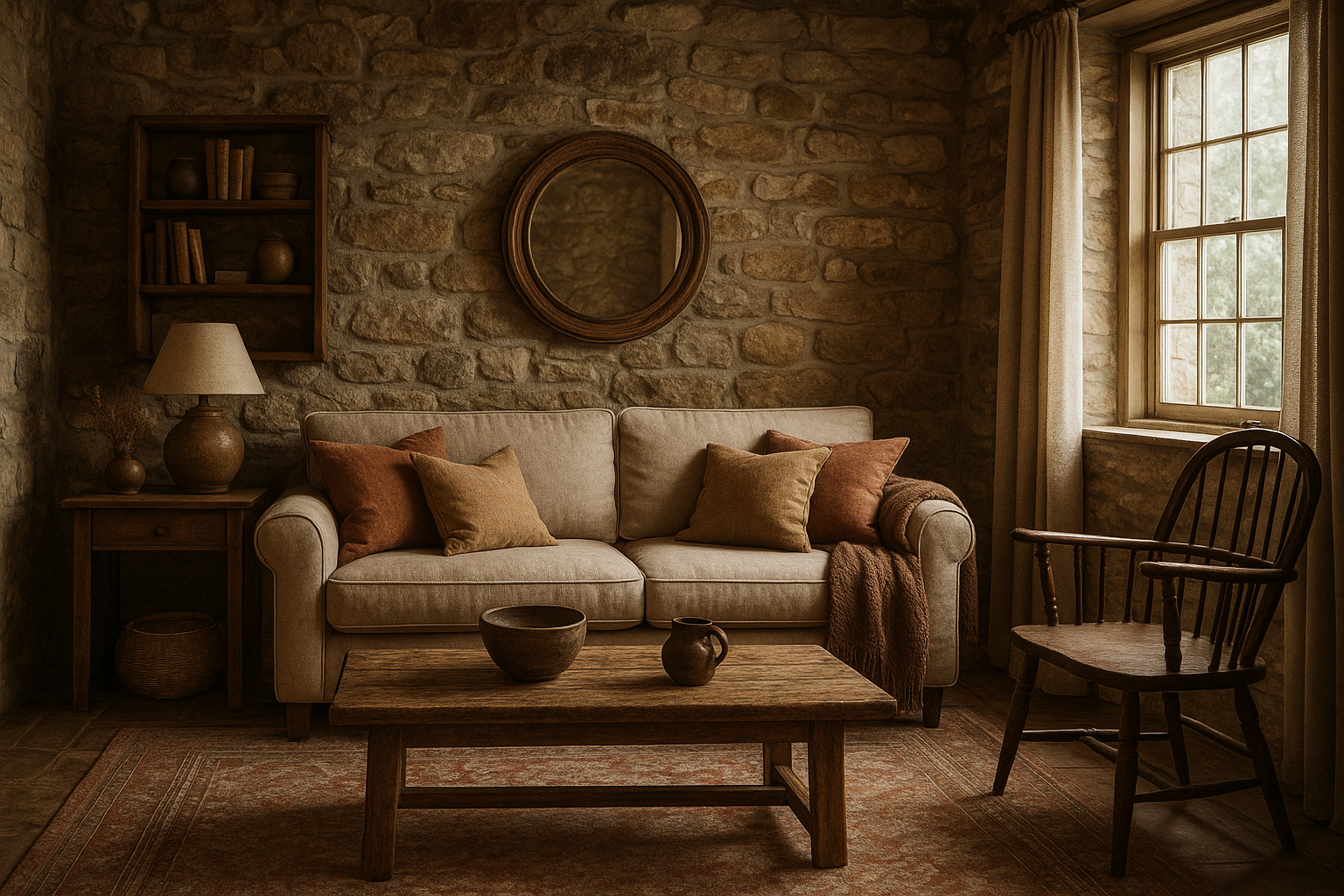
The cozy focal point
– A fireplace often anchors vintage rustic rooms. If you have one, keep the surround simple and let the space around it reflect the style: stacked firewood, a rustic screen, and a mantel dressed with a few carefully chosen items.
– If there’s no fireplace, create a focal point with a gallery wall of vintage art and photos, or a striking piece of antique furniture flanked by soft lighting. The key is to draw the eye to a well-considered centerpiece.
Nature inside
– Bring the outdoors in with dried botanicals, eucalyptus stems, or a seasonal arrangement of branches in a vintage vase.
– Sustainables and textures matter more than perfection. A plant in a woven basket, a linen-covered planter, or a clay pot with visible charm amplifies the rustic feel.
Care and maintenance
– Keep wood surfaces nourished with a natural wax or oil finish appropriate to the wood type. Regular, gentle cleaning helps maintain patina without over-polishing.
– Clean textiles with fabric care guidelines suitable for linen and wool. Rotate cushions and wash throws as needed to keep them smelling fresh and feeling soft.
– Dust regularly to preserve the character of vintage pieces, especially brass, glass, and distressed wood.
Putting it together: a simple plan to get started
– Start with a warm, neutral backbone: a comfortable sofa, a solid wood coffee table, and a pair of inviting chairs.
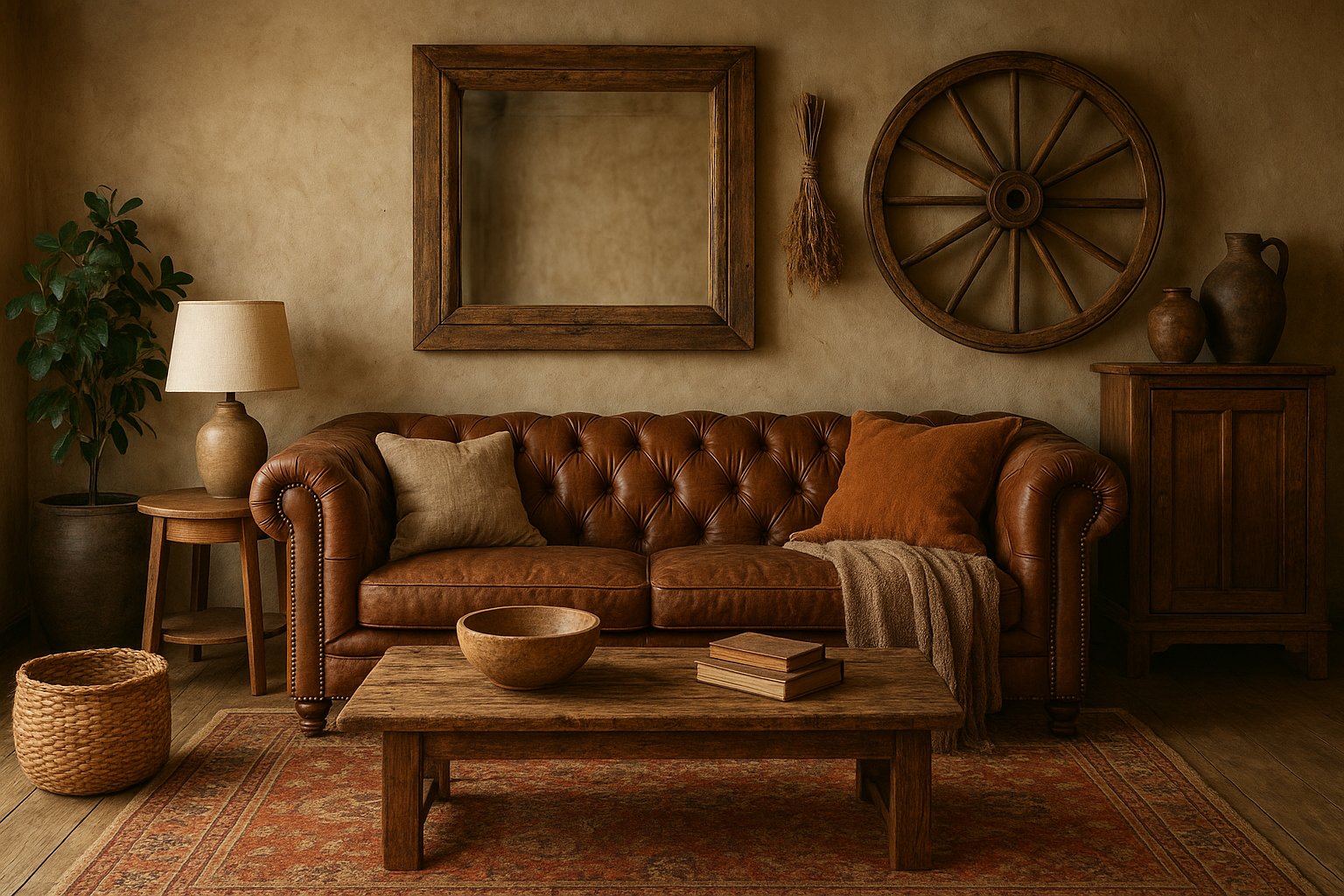
– Add a statement vintage piece that feels like a character piece (a weathered cabinet, an old trunk, or an antique mirror).
– Layer textiles: rugs, throws, and cushions in complementary neutrals with a few accent colors drawn from nature (sage, terracotta, slate).
– Light thoughtfully: a floor lamp, two table lamps, and a few candles to create a layered, forgiving glow.
– Curate decorative accents: a small collection of well-chosen antiques, a few books, and natural props like dried grasses or pottery.
– Ensure the layout promotes conversation and comfort. Place seating around a focal point so everyone can share the warmth of the space.
A few quick-start ideas
– Start with one vintage piece you love and build around it.
– Choose a single color accent (earthy green, copper, or soft blue) to unify disparate pieces.
– Mix metals with care—brass, iron, and aged bronze can coexist if used in small doses.
– Use texture as the unifying thread: wool, leather, linen, and burlap should feel intentional and balanced.
In essence, embracing vintage rustic for a cozy living room is about honoring history while inviting daily comfort. It’s not about recreating a specific era; it’s about assembling a space that feels timeless, welcoming, and personal. With warm materials, layered textures, heirloom touches, and thoughtful lighting, you can create a living room that offers both the charm of yesterday and the ease of today.