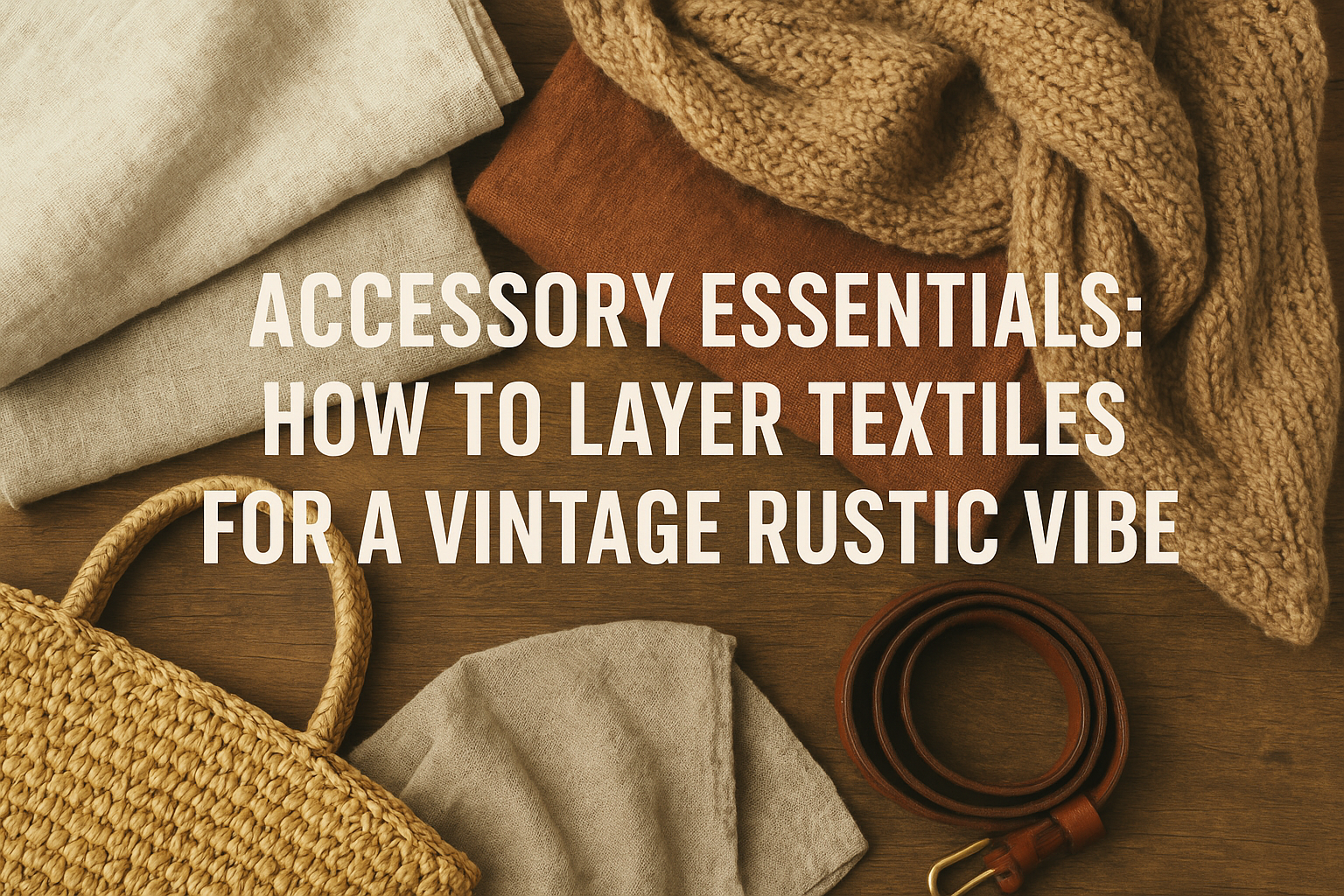
Accessor Essentials: How to Layer Textiles for a Vintage Rustic Vibe
Layering textiles is the secret to a vintage rustic vibe. It’s not about clutter, but about creating depth, warmth, and a sense of history through carefully chosen fabrics, finishes, and textures. By mixing natural fibers with worn-in pieces and timeworn patterns, you can achieve a cozy, lived-in look that feels both nostalgic and contemporary.
Foundational ideas
– Stick to a nature-inspired palette. Think warm beiges, stone, olive, terracotta, navy, and soft greys. Introduce contrast with charcoal or black for depth.
– Favor natural materials. Linen, cotton, wool, wool blends, burlap, jute, leather, and wool blends naturally weather over time, which is part of the vintage rustic charm.
– Layer texture over color. A room that uses only solid colors can feel flat; texture is what makes it feel tactile and inviting.
Textiles to curate and how to mix them
– Throws and quilts: Choose weighted wool or chunky knit throws for coziness. Drape them over sofas, chairs, or the end of a bed to instantly add warmth.
– Cushions and pillows: Mix sizes and shapes. Pair a large linen cushion with a smaller plaid wool or faux fur pillow. Aim for a unifying color thread to keep the look cohesive.
– Rugs: Layer a flat woven or jute rug with a smaller, softer wool or faded oriental-style rug. If you prefer one rug, choose a pattern that reads vintage but isn’t overpowering.
– Curtains and drapery: Linen or cotton curtains in a neutral tone set a calm backdrop. For a rustic twist, consider a subtle plaid or textured weave.
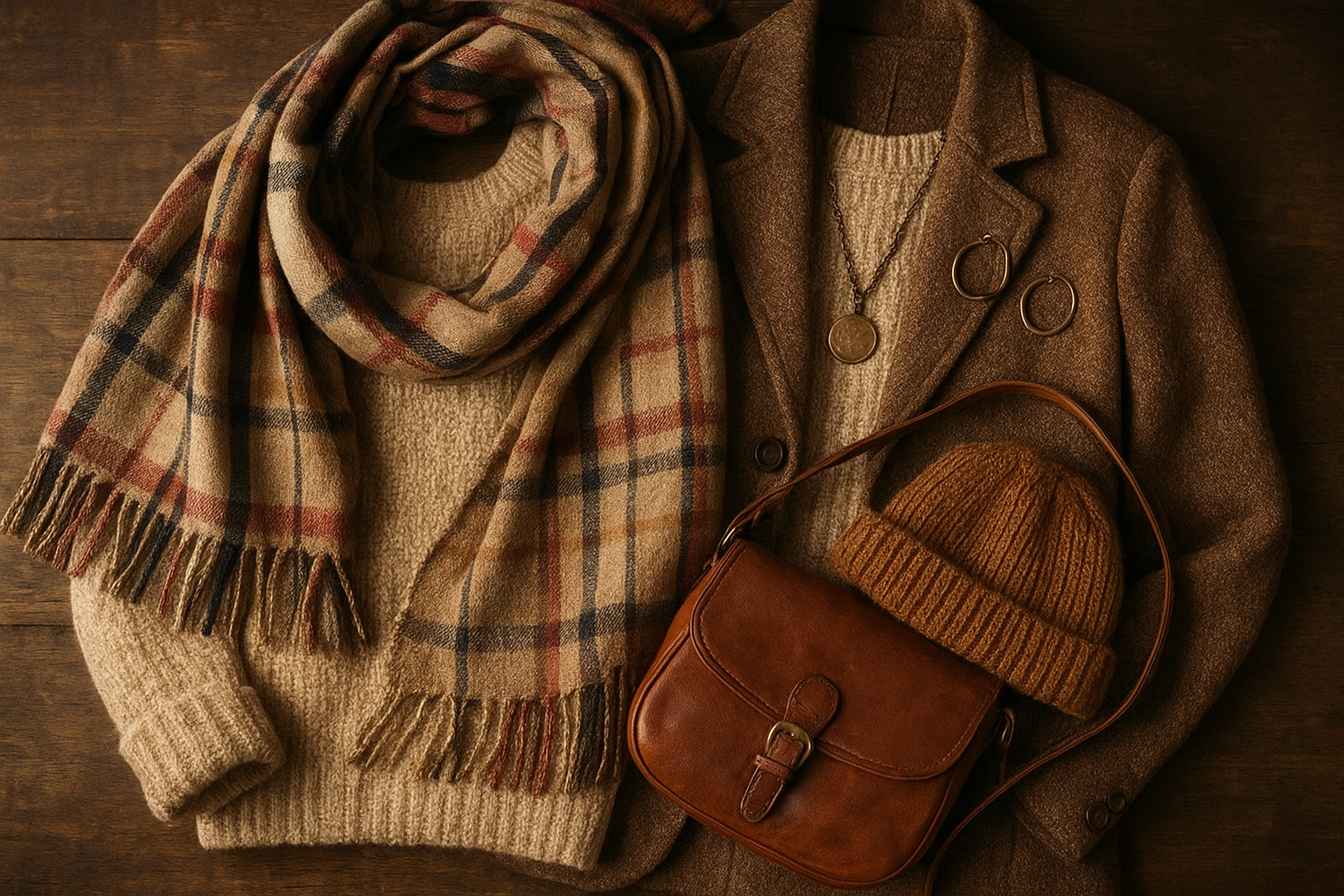
– Bedding and table textiles: Use a linen or cotton duvet cover, a quilted cotton coverlet, or a wool throw at the foot of the bed. Table runners in burlap, linen, or faded damask can echo the room’s textile voice.
– Wall textiles: A woven wall hanging, tapestry, or weathered textile panel can add vertical interest without overpowering the space.
Coordination without sameness
– Start with a base texture and color. If your room is dominated by a stone or oatmeal palette, layer with textiles in slightly lighter or darker shades to create dimension.
– Mix scales and patterns thoughtfully. Pair a large-scale plaid with a small, simple stripe or solid texture. Tie them together with a shared color.
– Balance weight. Don’t stack all heavy textiles in one place. Alternate with lighter fabrics to avoid a heavy, crowded feel.
– Use metallic or natural accents as punctuation. A brass lamp, a copper pitcher, or a wooden bead curtain can unify the textiles and add reflective warmth.
Layering techniques and order
– Begin with a grounding rug. A layered floor reads as a deliberate foundation and helps anchor everything else.
– Add larger textiles first. Think curtains, a bedspread, or a large throw. These establish the room’s vibe and scale.
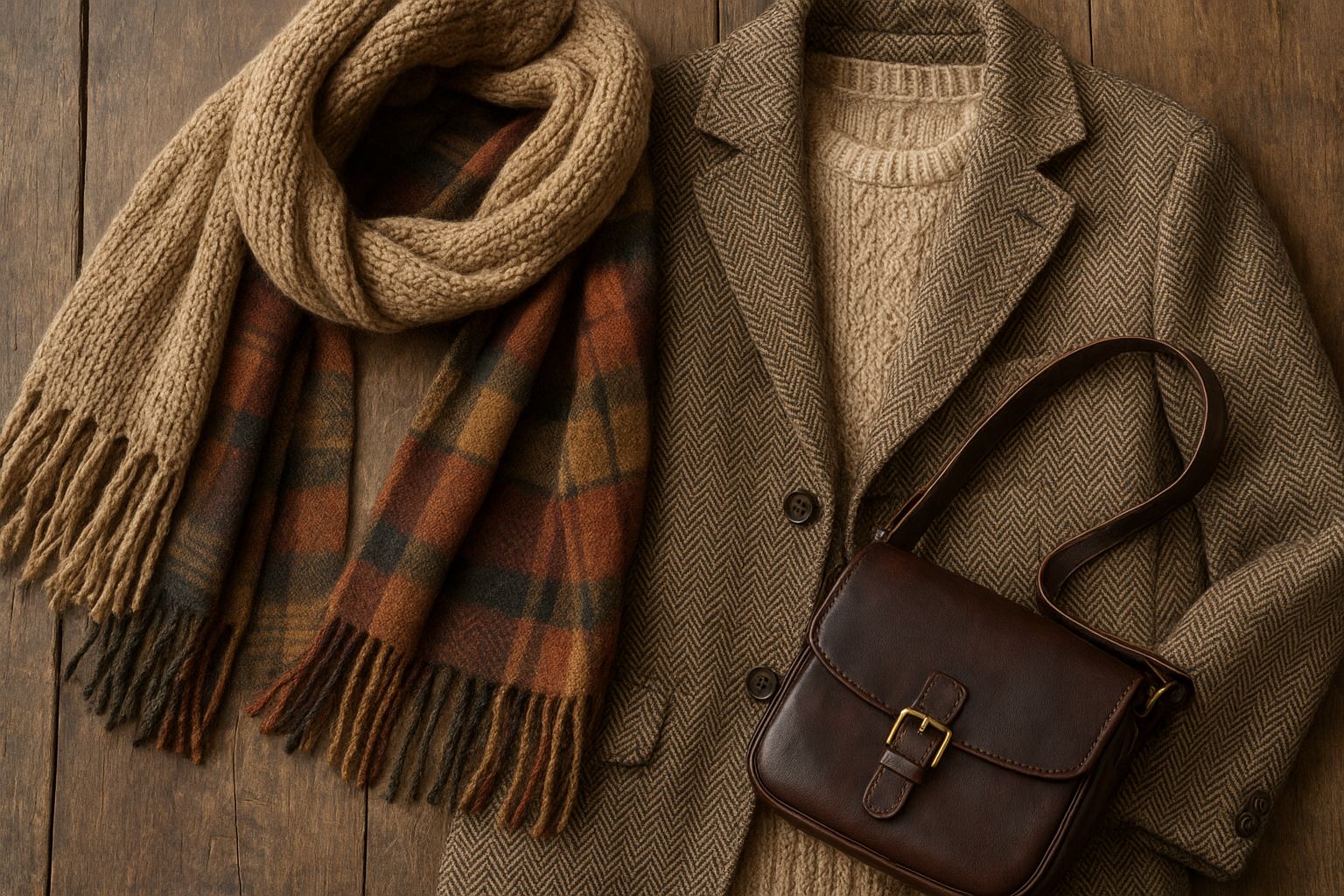
– Layer cushions and smaller textiles next. Vary their textures and patterns, but keep a common thread in color or tone.
– Finish with subtle wall and lighting accents. A woven wall piece or a fabric lampshade can pull the look together without crowding it.
Practical tips for a vintage rustic look
– Quality over quantity. A few well-chosen textiles with a patina of wear will feel more authentic than many new pieces.
– Embrace imperfection. Minor snags, light fraying, and gentle fading are part of the charm in a vintage rustic scheme.
– Think seasonally. Lighter fabrics for warmer months and heavier knits or wool blends for cooler months keep the vibe timeless throughout the year.
– Care and maintenance. Air textiles regularly, spot-clean as needed, and follow care labels. Rotate textiles to ensure even wear.
A quick starter ensemble
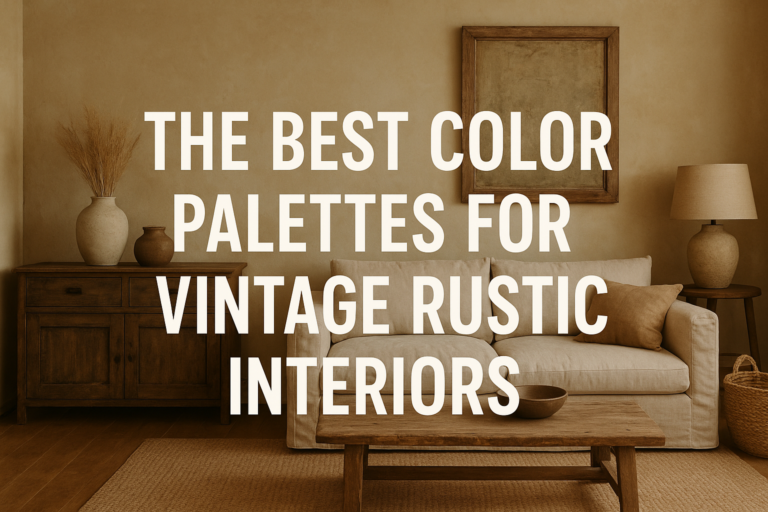
– Floor: a natural jute or sisal rug topped with a softer wool or faded oriental rug for depth.
– Seating: a neutral linen sofa with two cushions in a plaid wool and a faux fur or shearling bolster.
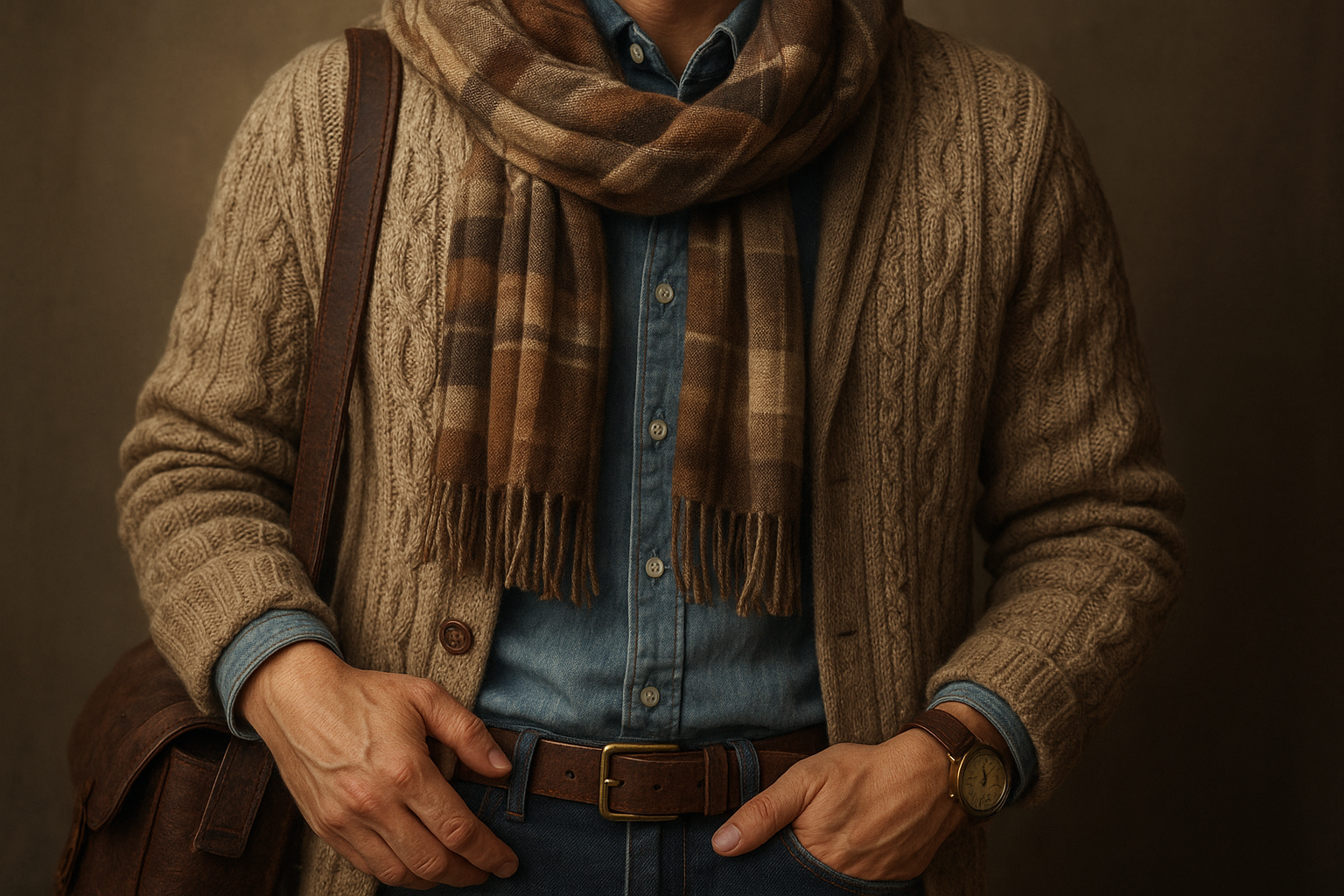
– Throws: a chunky-knit wool throw layered over the arm of the sofa.
– Windows: linen curtains in a warm taupe or stone shade.
– Accents: a leather pouf, a woven wall hanging, and a small copper or brass lamp to add a touch of vintage gleam.
– Overall effect: warmth, texture, and a sense of gathered, well-loved pieces that tell a story.
Care and curation mindset
– Build gradually. Layering well takes time; add one or two textiles at a time and reassess.
– Edit frequently. If a piece doesn’t contribute texture, proportion, or color, it’s easy to replace or remove.
– Source thoughtfully. Seek secondhand finds, vintage stores, and natural-fiber textiles that age gracefully. A well-chosen vintage textile often has more character than a brand-new imitation.
In practice, layering textiles for a vintage rustic vibe is about creating a space that feels as if it has layers of history and comfort. It’s less about matching everything perfectly and more about weaving textures, tones, and patterns into a cohesive, inviting story. Start with a simple base, add warmth with a few key textiles, and let the space evolve as you discover pieces that feel right to you.