Vintage Rustic Outdoor Spaces: Weathered Wood and Metal Accents
Vintage rustic outdoor spaces celebrate the quiet drama of time-worn materials. Weathered wood and metal accents create a sense of history, a tactile blend of warmth and edge that feels both nostalgic and surprisingly modern. The goal is not to replicate an antique shop but to curate an outdoor room where texture, patina, and simplicity do the talking. Here’s how to cultivate this look with intention and ease.
Embracing Weathered Wood
Weathered wood brings character in layers—grain, knots, nail marks, and a soft, sun-bleached glow. Reclaimed timber from old barns, fences, and docks offers authenticity, while driftwood or driftwood-inspired boards can evoke coastal charm. To design with weathered wood:
– Let the patina lead the way. Choose wood with natural gray tones and subtle variations rather than pristine new boards. This creates a cohesive backdrop for metal accents and greenery.
– Prioritize texture. Rough-sawn planks, wide boards for decking, and chunky beams for pergolas or shade structures add depth. Edges that aren’t perfectly smooth amplify the vintage vibe.
– Balance age with safety. If you’re using reclaimed or distressed wood for seating or stepping surfaces, seal porous areas to reduce splinters and mildew. Use breathable, matte finishes that wreathe instead of gloss, maintaining the wood’s natural grain.
– Layer wood with contrasting materials. Pair weathered boards with stone, brick, or concrete, and let metal accents pick up the warmth in the wood rather than fight against it.
Metal Accents that Endure
Metal is the weathered partner that brings structure, weight, and a touch of industrial romance to rustic spaces. The goal is metals that patina gracefully, not metals that look brand-new in harsh outdoor light. Options to consider:
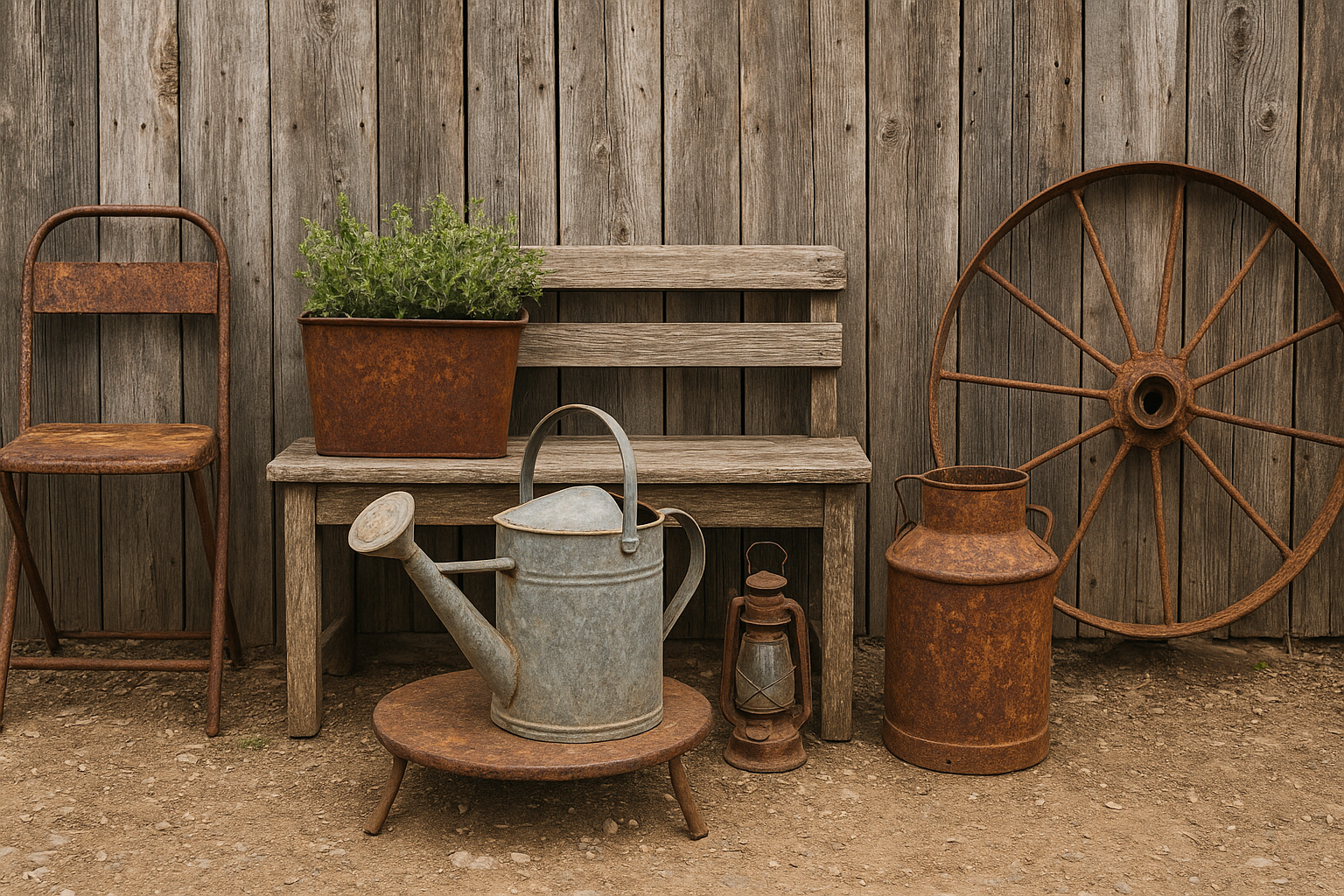
– Corten steel (weathering steel) for planters, screens, fire pits, and edging. It develops a rich rust patina that evolves over time and needs little maintenance. It reads as rugged and stylishly imperfect.
– Cast iron or wrought iron details for brackets, lanterns, and furniture frames. They offer old-world charm, especially when paired with wood’s warmth.
– Powder-coated steel or aluminum for durability and a sleeker silhouette. Choose matte finishes in charcoals, moss greens, or deep bronzes to harmonize with weathered wood.
– Finishing touches. Use metal wall art, geometric screens, or lanterns to punctuate spaces. Allow a few intentional rust or patina accents to appear; the goal is a curated collection, not a riot of oxidation.
Crafting Cohesion: Texture, Color, and Light
The poetry of vintage rustic spaces rests in how textures and light collaborate.
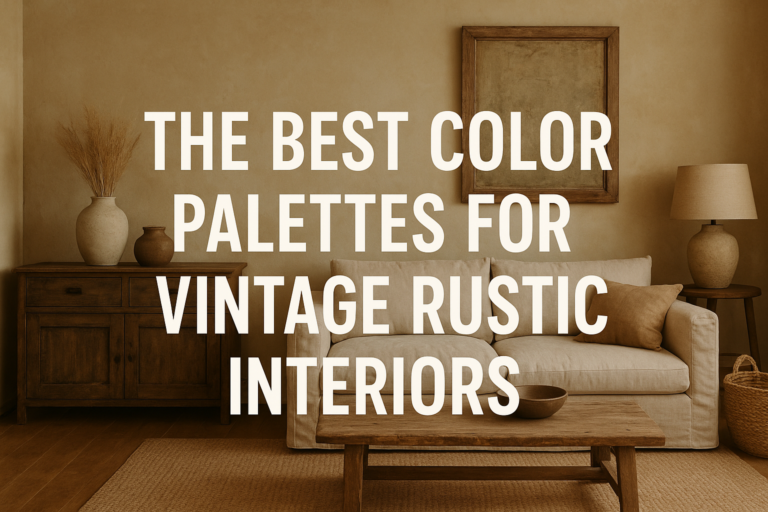
– Color palette. Start with a base of warm browns, warm grays, and stone tones. Add contrast with charcoal or black metal, olive greens, and soft whites. Plants bring fresh color without clashing with the aged look.
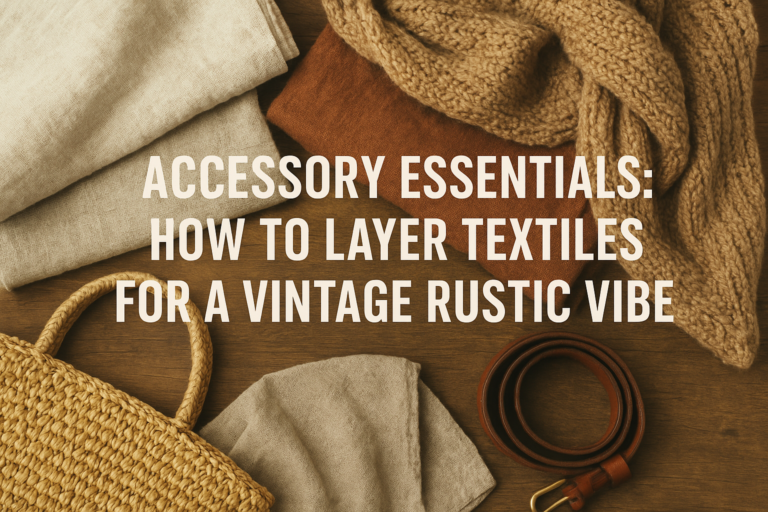
– Texture layering. Combine rough wood with smooth metal and woven textiles. A jute rug, linen cushions, leather accents, and denim-covered seating subtly echo the outdoorsy, well-worn feel.
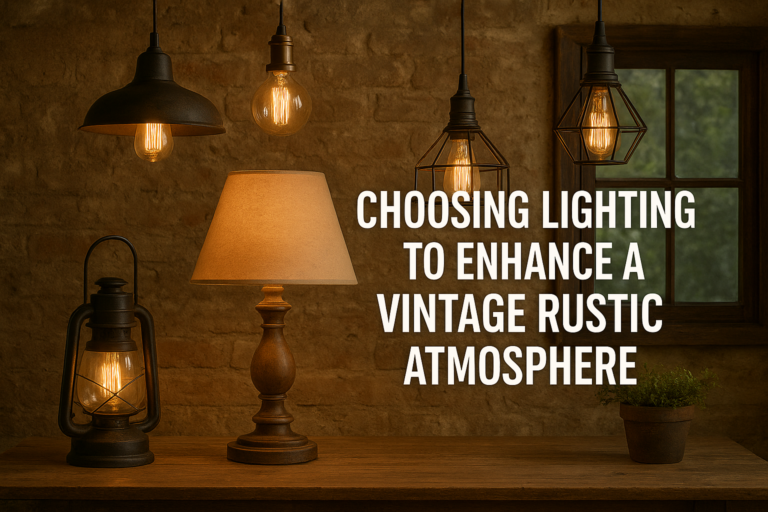
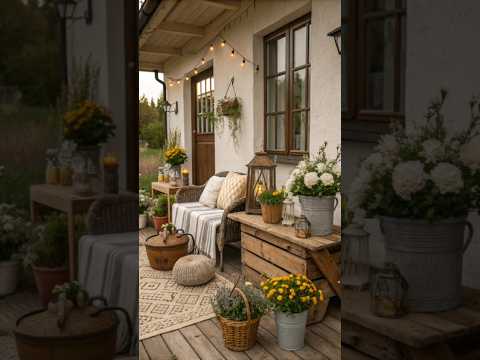
– Lighting that glows with memory. Warm, amber-hued outdoor lights create a cozy mood after dusk. Think string lights overhead, iron lanterns on posts, and glow from a fire pit or a recessed burner. Let the light spill softly onto weathered surfaces to highlight their texture.
Outdoor Spaces that Work with Plants
Plants keep the look from feeling harsh or sterile. They soften metal and wood while reinforcing a sense of place.
– Planters in metal and wood blends. Weathered wood planters with rusted metal bands or corten steel troughs anchor plant life while reinforcing the vintage mood.
– Vines and climbing plants. A trellis or pergola with a weathered wood frame becomes a living sculpture as ivy, wisteria, or climbing roses wind through. Metal screens can guide growth and add sculptural interest.
– Native and drought-tolerant choices. In hot, dry climates, choose succulents, agave, ornamental grasses, and hardy perennials that look great with aged finishes and require less water.
Furniture and Fixtures: Key Pieces
The furniture should feel timeless, not brand-new. Look for pieces that age gracefully and invite lingering.
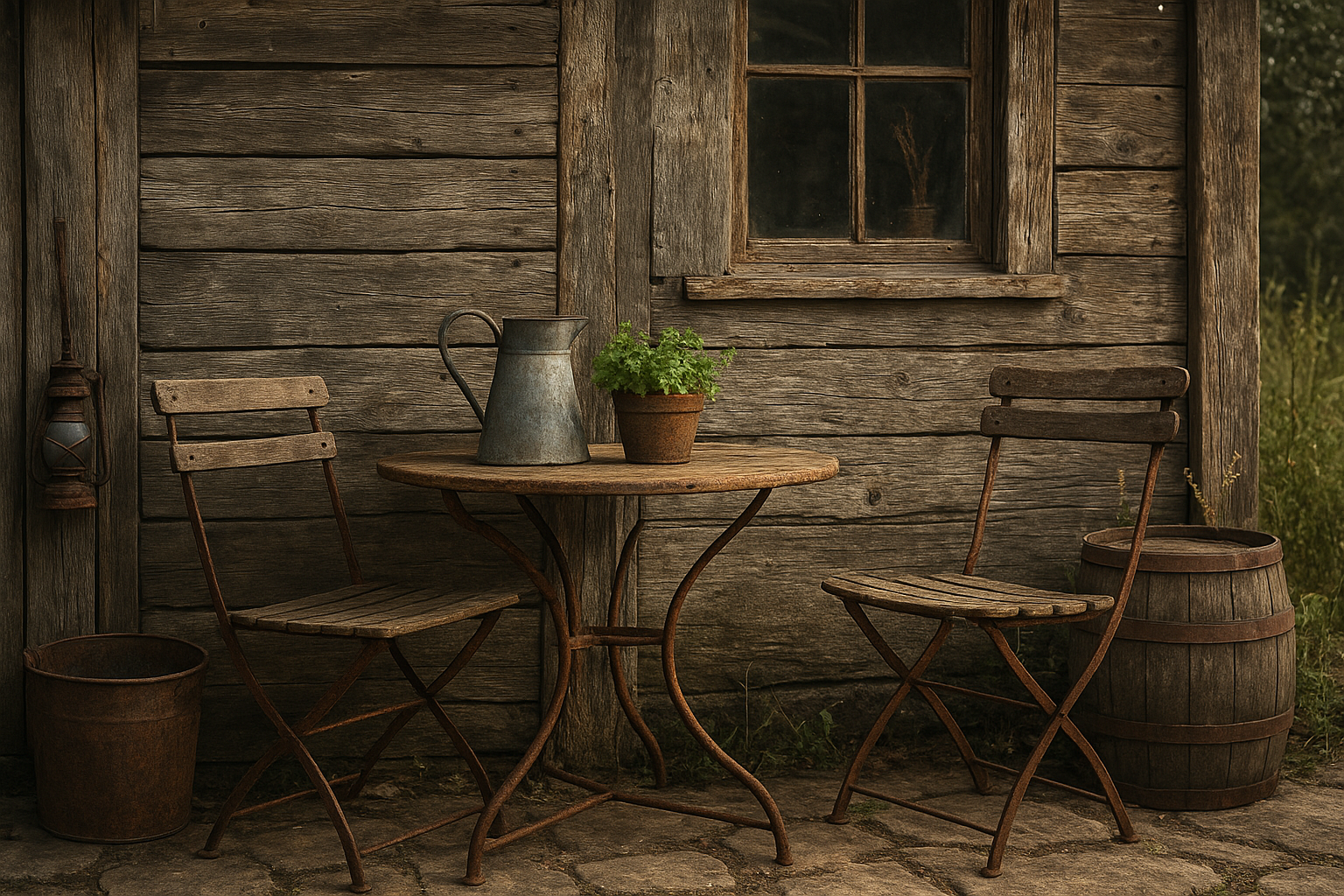
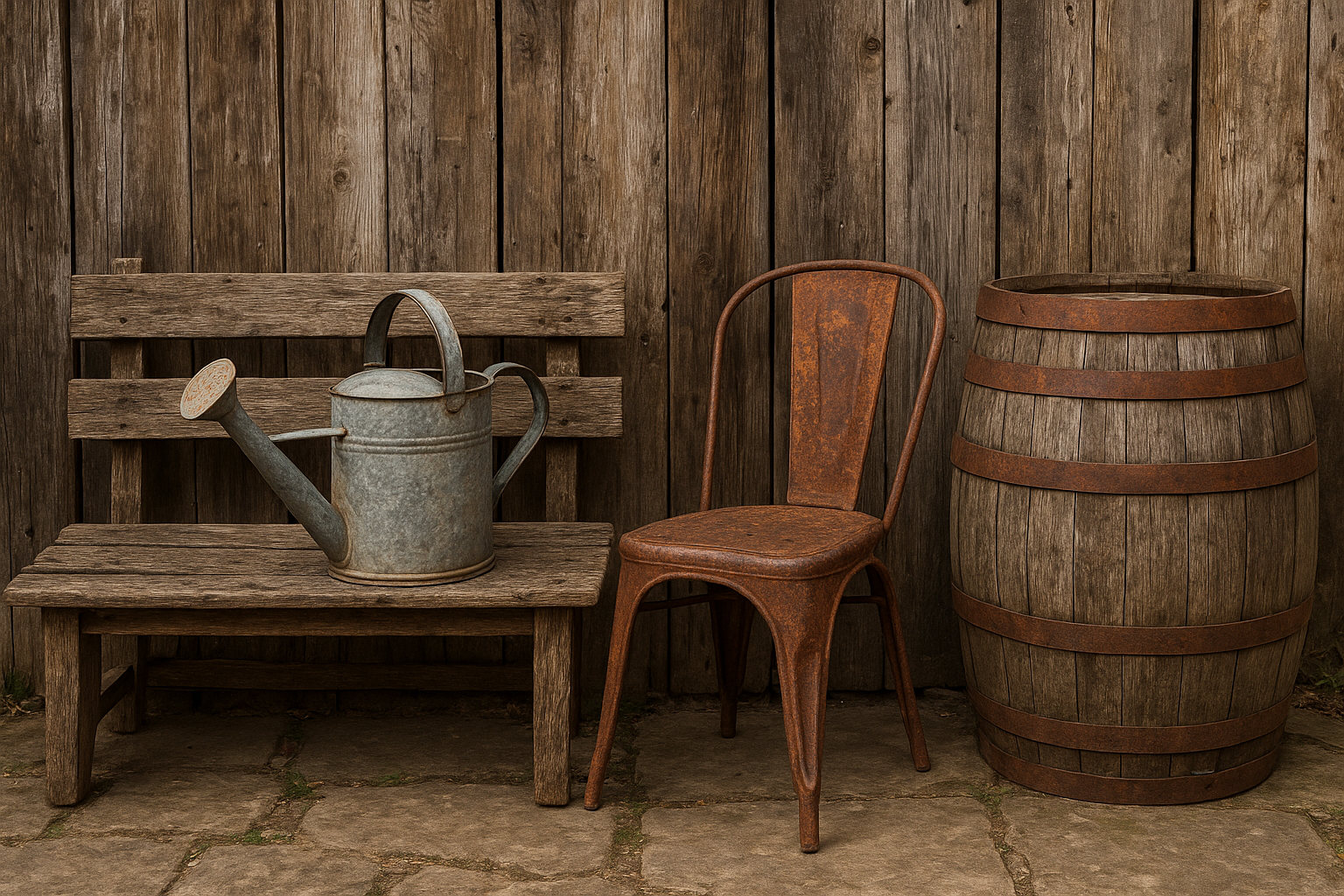
– Seating. Weathered wood benches, adirondack-inspired chairs, or rustic dining tables with iron bases. Mix heights—low benches with a higher dining table—to create intimate conversations and social spaces.
– Tables and surfaces. A rough-hewn wood table paired with a metal base or cast-iron legs reads as a single, cohesive piece. Add a small, rugged sideboard or a storage chest made of reclaimed boards for practical charm.
– Fire features. A fire pit ring or brazier in corten steel or iron anchors the space and enhances the vintage vibe. Surround with seating that invites warmth and conversation.
– Outdoor storage. Weathered wood chests or cabinets with iron hardware store cushions and accessories, helping maintain a tidy, lived-in feel.
Maintenance and Patina
Part of the vintage appeal is letting patina evolve. Do not fight it; manage it gracefully.
– Wood care. Clean annually and re-seal weathered surfaces every few years with a breathable, penetrating oil or matte sealant appropriate for outdoor wood. If boards show heavy wear, you can lightly sand and re-oil to restore luster while preserving the weathered look.
– Metal care. For corten steel, the rust patina is part of the attraction. Avoid aggressive cleaning that removes patina. If you prefer a darker, more uniform look, a light wipe-down with a damp cloth and a thin protective wax can help. For iron, a periodic wipe and a rust-preventive oil will extend life; touch up any areas that start to flake.
– Cleaning routine. Sweep regularly, rinse with water to remove grime, and avoid harsh chemical cleaners that can strip finishes or degrade patina. Make sure there is adequate drainage so surfaces don’t pool water, which accelerates wear.
Budget-Friendly Paths and Quick Upgrades
Achieving vintage rustic charm doesn’t have to break the bank. Start with a single anchor piece and build around it.
– Start with a weathered wood focal point. A reclaimed plank table or a bench can set the tone, then you can add metal planters and light fixtures over time.
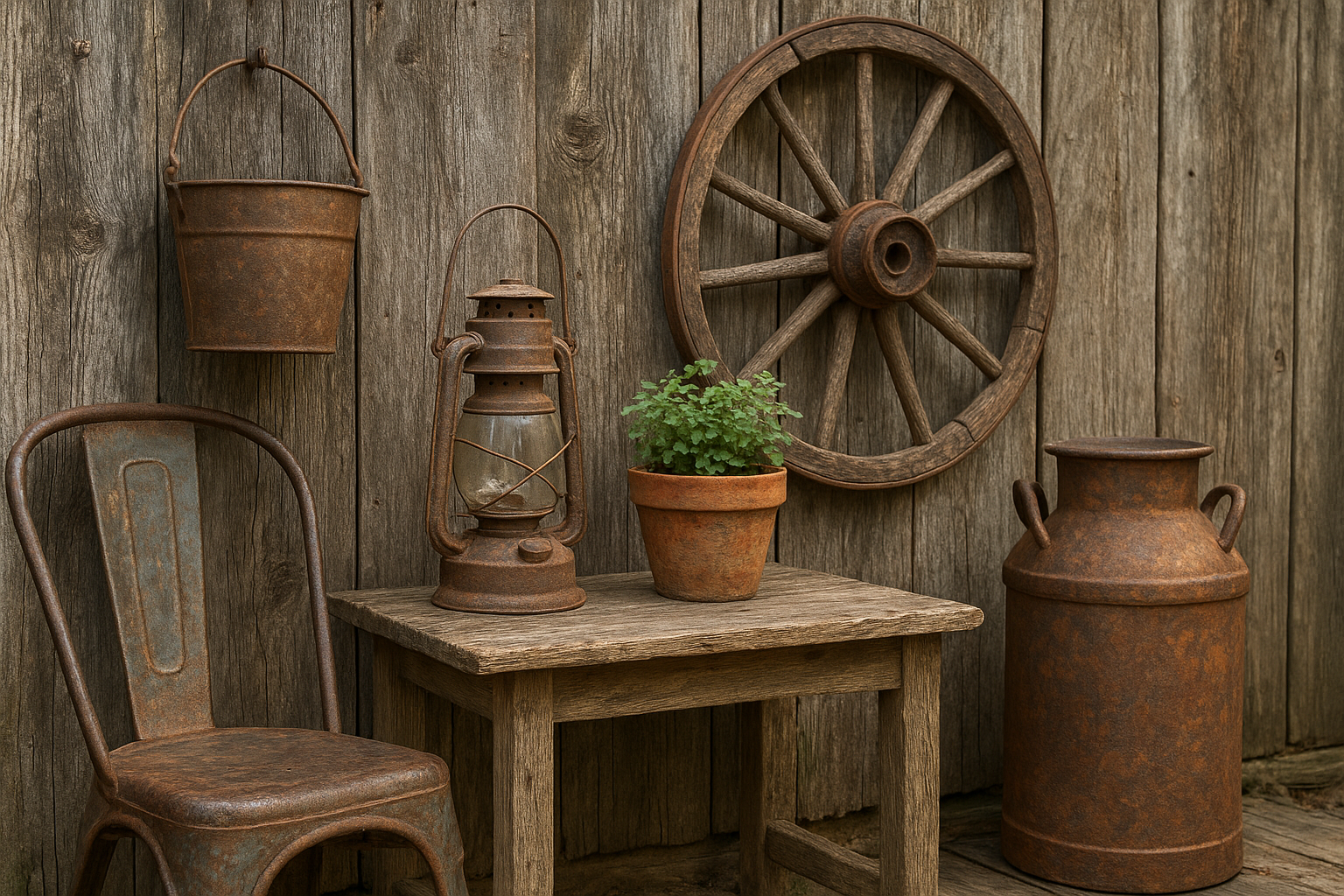
– Salvage and repurpose. Look for secondhand metal brackets, lanterns, and furniture that can be restored with a light sand and a new coat of protective finish.
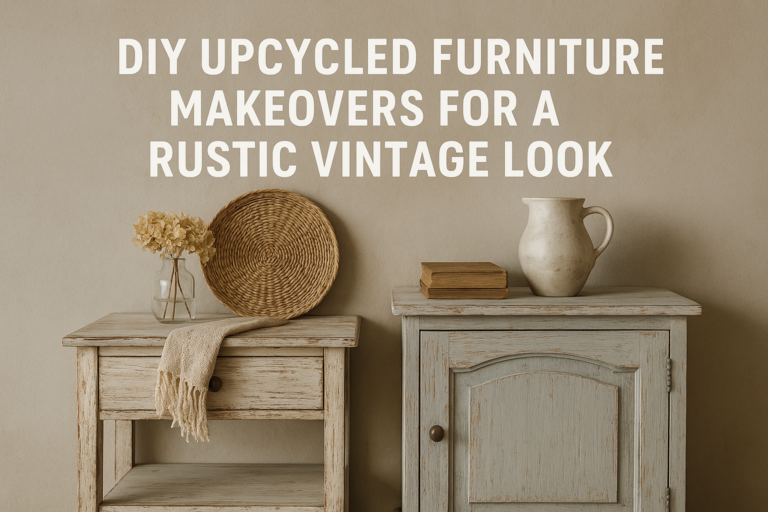
– Paint selectively. A restrained use of chalk paint or tinted wax on a wooden piece can create a timeworn look without hiding its natural grain.
Small-Scale DIY Ideas
If you enjoy hands-on projects, here are straightforward ways to introduce vintage rustic elements.
– Weathered wood bench. Take a sturdy plank or two, sand lightly on the edges, and seal with a matte outdoor oil. Pair with a metal frame or iron legs for contrast.
– Metal wall art. Convert salvaged metal into a decorative wall hanging—think geometric shapes, a vintage key motif, or a simple sunburst—mounted on a weathered wood backdrop.
– Planter troughs. Create long, low planters from reclaimed boards with metal corner brackets. Fill with drought-tolerant plants and let the texture carry the design.
– Fire-friendly vignette. Surround a corten steel fire pit with seating in mixed wood tones and a few iron accents to anchor the scene.
Real-Life Inspirations
To see the concept in motion, look for outdoor rooms that blend weathered wood with metal accents: a farmhouse courtyard with barn-board fencing, a coastal deck where driftwood tones meet brushed steel hardware, or a mountain-hammocked nook featuring iron lanterns and a rough-hewn table. The pattern to notice across these spaces is restraint: too many new pieces will feel out of place; a few well-chosen weathered elements create a timeless, inviting atmosphere.
Closing thoughts
Vintage rustic outdoor spaces that harmonize weathered wood and metal accents offer a warm, enduring aesthetic. The beauty lies in the imperfect synergy—the soft patina of aged surfaces, the weight of iron, the quiet glow of warm lighting, and the living color of plants. Start with one or two anchor pieces, allow the patina to unfold naturally, and let texture guide the design. In time, your outdoor room will tell a story of memory, craftsmanship, and steady, welcoming charm.