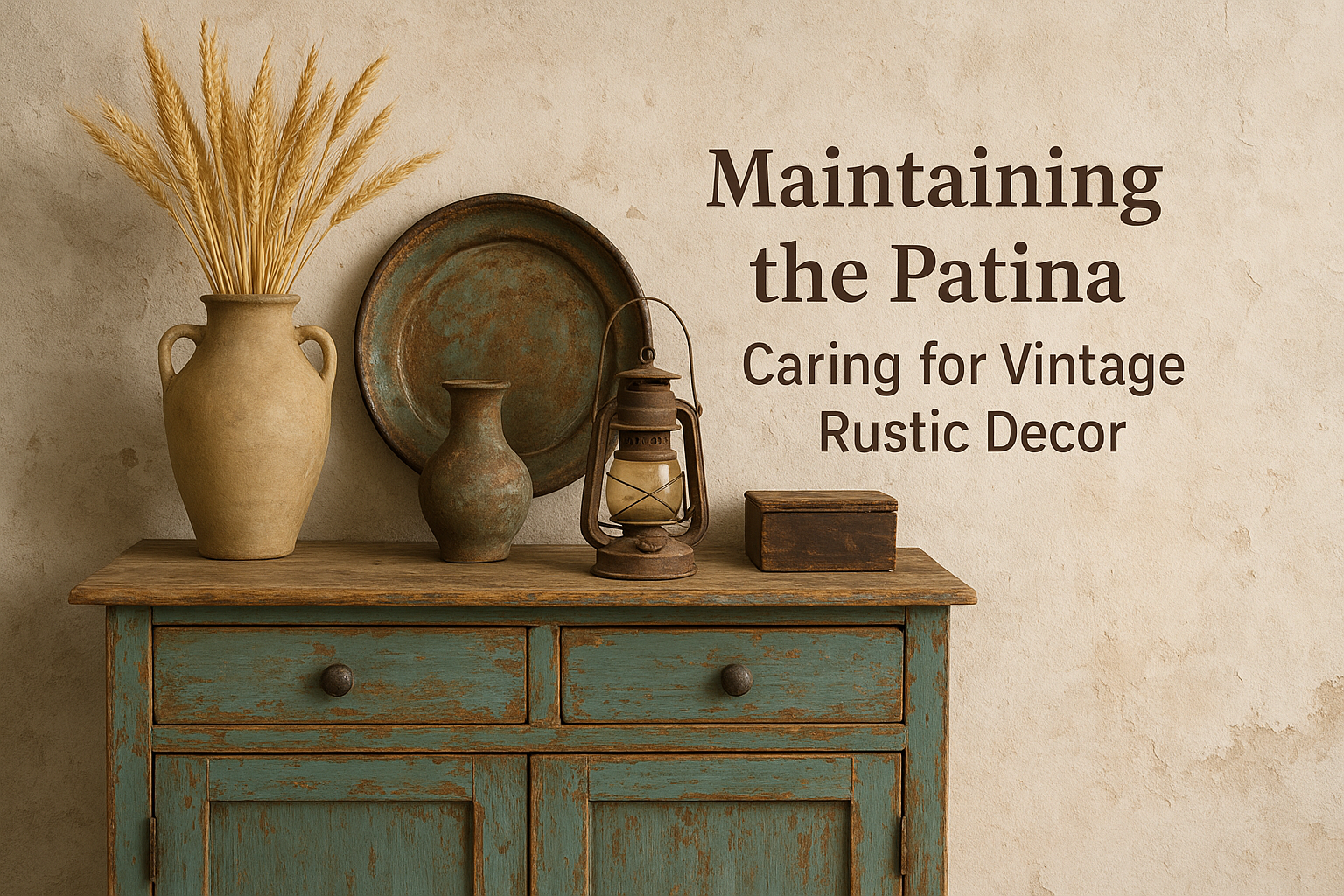
Maintaining the Patina: Caring for Vintage Rustic Decor
Patina is the quiet fingerprint of time on vintage rustic decor. It speaks of hands that touched the piece, seasons it has lived through, and the stories it carries. Caring for these treasures means preserving their character while keeping them safe for years to come. The goal is not to erase age but to support longevity with thoughtful, minimal intervention.
Understanding patina and why it matters
Patina is more than dirt or wear. It’s a layered, natural finish that develops as materials respond to light, air, oils, and use. On wood, metal, ceramic glazes, leather, or stone, patina adds depth and authenticity. Overzealous cleaning or aggressive restoration can strip this history, leaving a piece looking new but devoid of its soul. The best care respects the original finishes and treats patina as part of the value and charm of vintage rustic decor.
Core care philosophy
– Minimal intervention: Clean and stabilize, not overhaul. If something looks settled and stable, resist the urge to “fix” it.
– Dust first, then clean: Regular dusting reduces buildup that can abrade or dull patina.
– Gentle, compatible products: Use pH-neutral, non-abrasive cleaners and test any product on a hidden area before applying broadly.
– Environmental balance: Stable humidity and light exposure protect patina by slowing deterioration and color shifts.
– Documentation: Note provenance and finish details. A care log helps guide future decisions and preserves the piece’s history.
Dusting and cleaning basics
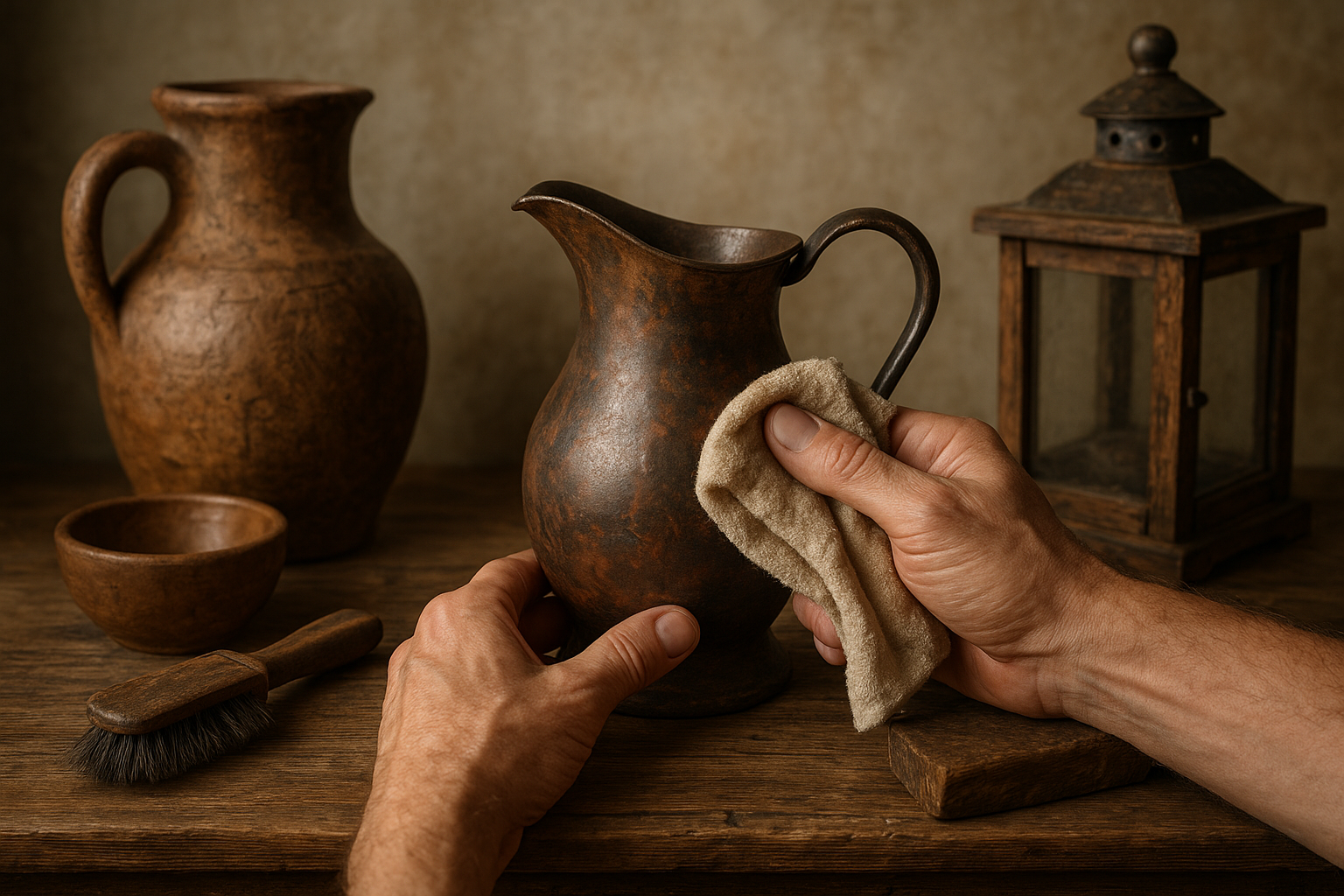
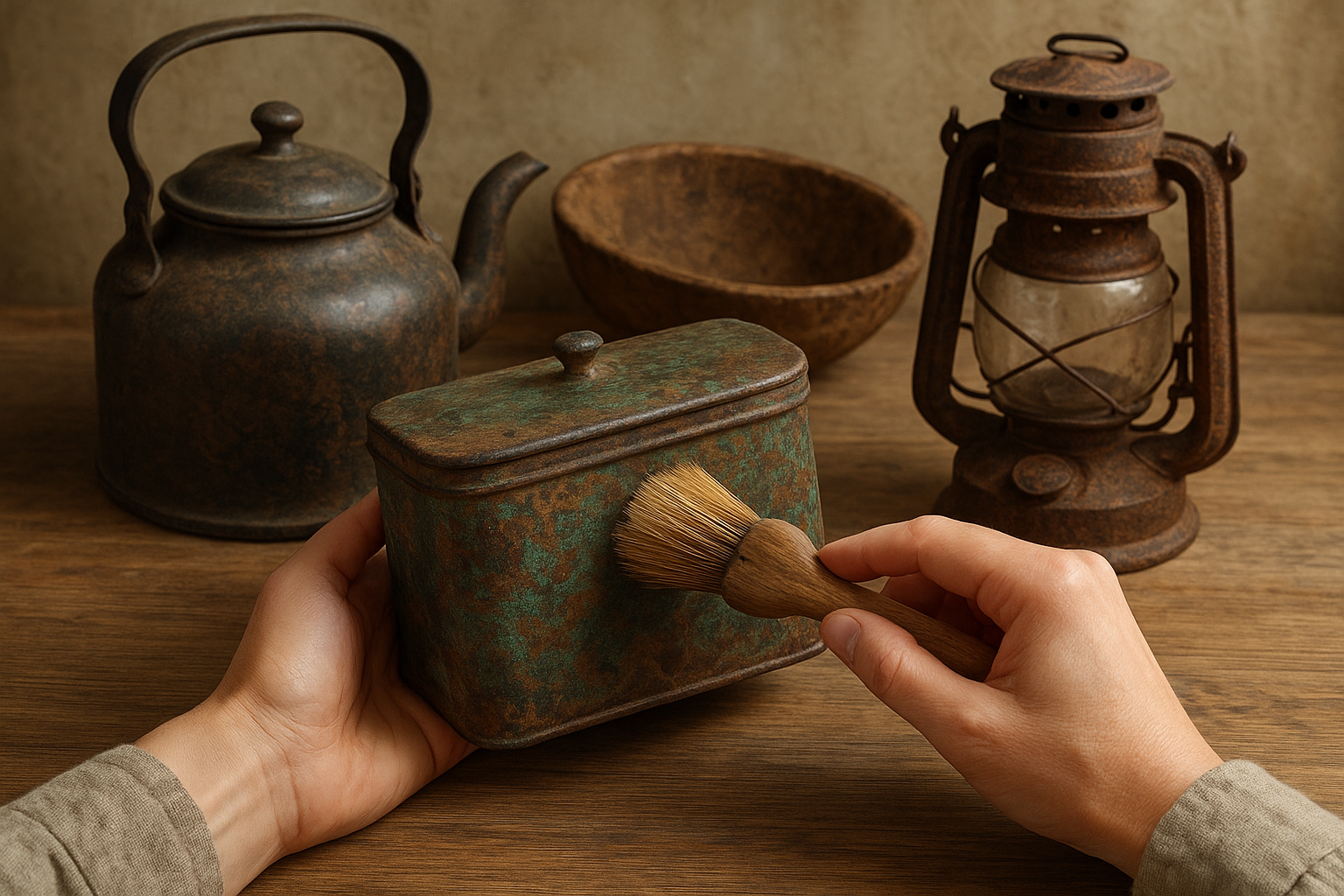
– Routine dusting: Use a soft microfiber cloth or a natural-bristle brush to lift dust from crevices without scratching surfaces.
– Gentle cleaners: For most surfaces, a mild solution of water and a drop of pH-neutral soap works well. Wipe with a damp cloth, then dry with a clean, soft cloth.
– Test areas: Before applying any cleaner, test in an inconspicuous spot for color transfer, streaks, or changes in texture.
– Avoid harsh chemicals: Ammonia, bleach, solvents, and abrasive cleaners can strip patina or damage finishes. Ammonia, in particular, can affect wood oils and glaze surfaces.
– Water management: Do not soak porous materials, especially wood or stone. Excess moisture can warp wood, promote mold, or dull patinas.
Material-specific care ideas
Wood and timber
– Preserving existing finishes: If the surface has a natural oil or wax finish, wipe with a lightly damp cloth and dry promptly. Avoid removing the patina by sanding or stripping.
– Rejuvenating a dry finish: Apply a thin, natural wax (such as beeswax with a touch of carnauba) to bare or dry wood. Buff gently to a subtle sheen; this can nourish the surface without masking character.
– Handling built-up grime: For stubborn grime, a tiny amount of mild soap solution on a soft cloth can help. Dry immediately to prevent moisture absorption, which can soften joints or warp boards.
– Repairs vs. refinishing: If scratches or loss of finish threaten the piece’s stability, seek advice before refinishing. A professional conservator can help preserve patina while stabilizing damage.
Metals (iron, steel, brass, copper)
– Patina as protection: Many rustic metal pieces develop a natural patina that protects the underlying metal. Avoid aggressive polishing that removes this layer.
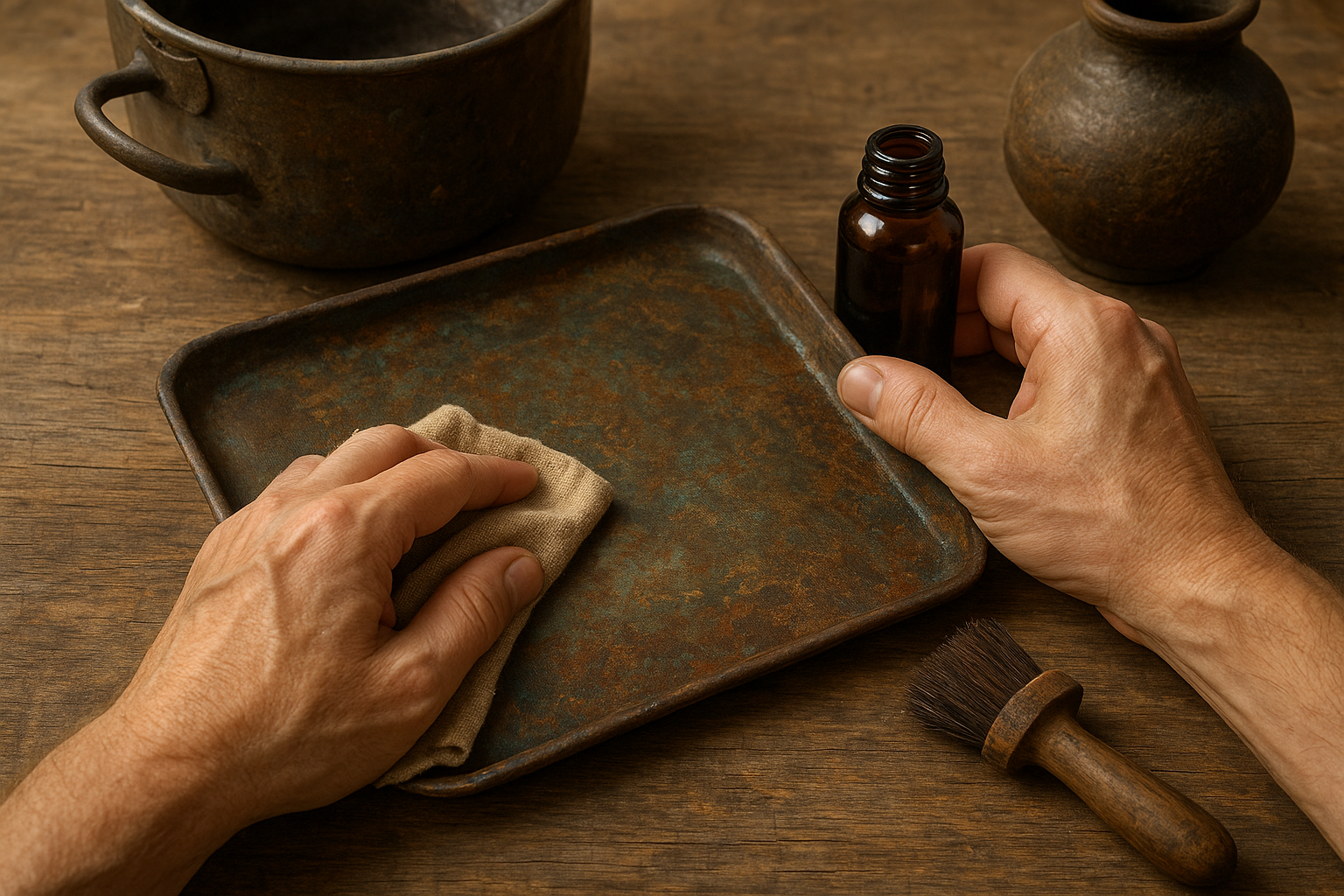
– Cleaning basics: Wipe with a soft cloth. For tarnished brass or copper you can use a mild solution of lemon juice and salt or a gentle commercial patina-preserving cleaner, but test first and wipe away any residues.
– Rust management: If loose rust flakes off, gently remove with a nylon brush or a soft pad. After cleaning, apply a thin coat of microcrystalline wax or a waxed oil to slow future oxidation.
– Stabilizing existing patina: If you find corrosion spots, address them conservatively and consider applying a protective wax layer to minimize further wear rather than stripping the surface.
Ceramics and pottery
– Dusting and glazing: Use a soft brush to remove dust from crevices in relief or textured glazes.
– Spot cleaning: A damp microfiber cloth with a tiny amount of mild soap can clean glaze surfaces. Rinse with a barely damp cloth and dry immediately.
– Crazing and pottery patina: Surface cracks in glaze can trap dirt; be careful not to force cleaning into cracks. Avoid soaking, which can loosen glazes or cause efflorescence in porous ceramic pieces.
Glass and mirrors
– Gentle care: Clean glass with a mild soap solution and a lint-free cloth. Dry with a separate clean cloth to prevent streaks.
– Patina-friendly approach: Avoid abrasive pads that can scratch and dull the character earned by time.
Leather and fabric
– Leather: Dust and wipe with a soft, slightly damp cloth. If conditioning is needed, use a conditioner designed for antique or vintage leather that does not leave a glossy film. Test on a hidden area first. Avoid silicone-based products that can interfere with patina and allow staining.
– Fabrics and textiles: Vacuum with a soft attachment on low suction to remove dust. For spot cleaning, use products appropriate to the fiber type and colorfastness, testing first in an inconspicuous area. Avoid excessive moisture that could cause stretcher creases or mold.
Stone and ceramic surfaces
– Stone care: Dust or wipe with a damp cloth, then dry. Avoid acidic cleaners that can etch stone or change patina on natural surfaces like limestone or marble.
– Terracotta and unglazed clay: Light cleaning with a barely damp cloth is often best. Keep away from soaking, which can cause salt efflorescence or cracking.
Environmental stewardship
– Humidity control: Aim for a stable range—roughly 40-60% relative humidity is a good target for many rustic pieces. Fluctuations cause wood to expand and contract, crack glaze, or loosen joints.
– Temperature: Avoid extreme shifts. Sudden heat or cold can stress materials and alter patina.
– Light exposure: Prolonged sun exposure can fade finishes and alter colors. Place pieces away from direct sunlight or use UV-filtering glass and curtains.
– Placement: Elevate pieces off damp floors and provide even support to prevent warping or sagging.
Display, storage, and handling tips
– Supportive surfaces: Use padded, non-abrasive stands or shelves. Soft cloths or felt pads under bases prevent scratches and dulling of patina.
– Rotation: If you have a collection, rotate display pieces to minimize consistent exposure to light and humidity on any single item.
– Safe handling: Clean hands or wear cotton gloves during handling to minimize oil transfer. Lift with care to avoid stressing joints or cracks.
When to seek professional help
– Structural damage: If wood is cracked, warped, or joints are loose, a conservator can stabilize without compromising patina.
– Persistent staining or corrosion: If cleaning reveals ongoing staining, corrosion or advances of patina in an undesirable direction, a professional can advise on reversible conservation methods.
– Value and provenance concerns: For highly valuable or fragile pieces, professional conservation helps maintain authenticity and history.
A practical care plan you can start today
– Daily/weekly: Dust surfaces with a soft microfiber cloth or brush; inspect for new spots of dampness or rust.
– Monthly: Lightly wax bare wood or metal surfaces to create a protective barrier; check for any changes in color or texture.
– Seasonally: Reevaluate display conditions—sunlight exposure, humidity, and temperature stability. Adjust as needed to slow wear and preserve character.
– Annually: Inspect joints, finishes, and patinas. Document changes and consider professional assessment if you notice cracks, loosening, or unusual discoloration.
A closing note
Maintaining the patina of vintage rustic decor is an ongoing relationship with time. It’s about safeguarding the stories these objects tell while ensuring they remain p art of your everyday life. With gentle care, proper environmental controls, and respect for existing finishes, you can enjoy the warmth and character of rustic pieces for generations to come.